
How Biodesign Changes Home Interiors With Materials and Systems
 Admin
Admin
Biodesign uses materials like fungi and algae to bring living systems into home interiors for wellness and sustainability.
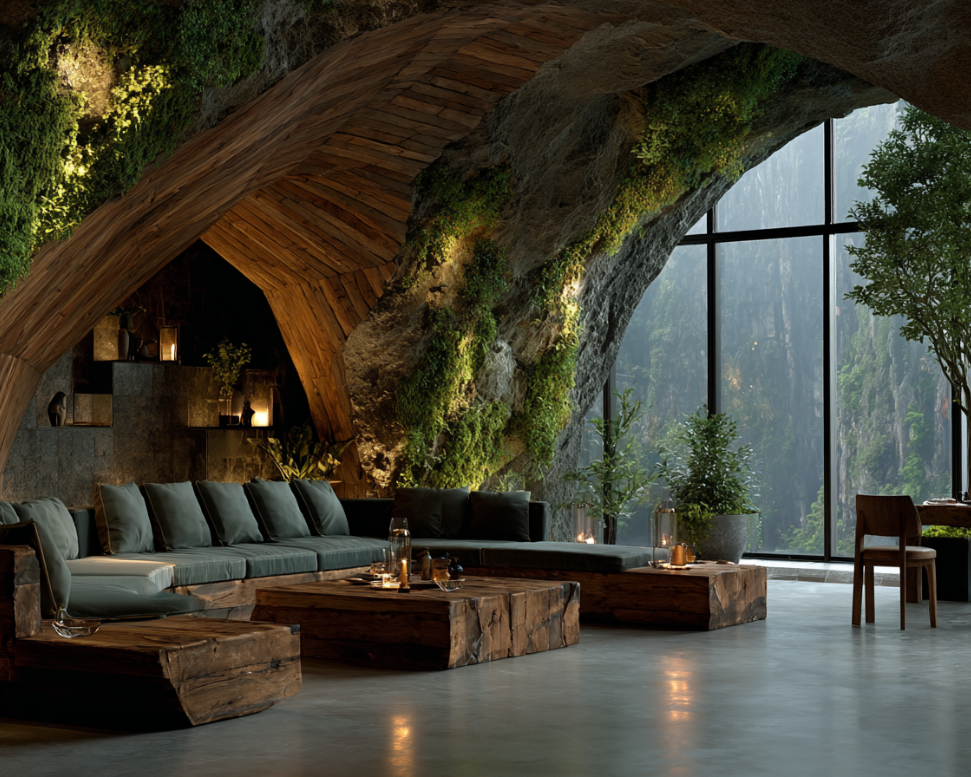
Biodesign is moving from lab experiments into real homes. It brings living elements into the core of interior design, turning spaces into systems that support health and sustainability. This goes beyond surface-level decoration. Homes are starting to include materials that grow, regenerate, and respond to their surroundings. With bio design, interiors become living ecosystems that support daily life in powerful ways.
What Biodesign Means and How It Goes Beyond Green Design
Biodesign brings biology into the center of the design process. It goes beyond low-impact solutions by embedding living systems into the objects and structures inside a home. This means working with fungi, algae, bacteria, and natural growth cycles to shape furniture, wall finishes, insulation, textiles, and even surfaces that sense or react to change. Rather than imitating nature, biodesign uses nature itself, alive and functional. These living materials adapt to temperature, moisture, and air quality. Some remove carbon dioxide, others repair small damage or provide scent.
Traditional green design works to minimize harm, but biodesign introduces active benefits. It creates systems that regenerate, purify, and interact. For example, a wall panel made from mycelium doesn’t just look sustainable, it grows into its form, requires minimal energy, and breaks down cleanly when replaced. These materials support wellness while adding visual interest and texture. Biodesign changes how a home performs, not just how it appears. It blends decoration, health, and environment into one living experience.
Mycelium Furniture and Self-Healing Materials
Mycelium is the root network of fungi. It grows into forms that are dense, lightweight, and fully biodegradable. Makers use it to form lamp shades, tables, sound panels, and shelving. These pieces are compostable and absorb sound. They also bring texture into a room with raw, natural character. In parallel, self-healing materials use bacteria or mineral agents that repair cracks and flaws without human effort. This removes the need for frequent repair and extends the life of design elements.
Algae-Based Panels for Filtering Air and Sound
Algae holds promise in both design and wellness. When housed in thin panels, algae can pull carbon dioxide from indoor air and release oxygen. Some panels also reduce sound levels by absorbing vibrations. These units double as decor and function as natural filters. The color and flow of living algae adds a visual rhythm to blank walls, giving rooms a clean yet dynamic feel. Algae-based panels offer one of the clearest examples of bio design aligned with wellness and sustainability.
Living Textiles That Adjust to Moisture or Scent
Designers are weaving smart responses into fabric using natural triggers. Some textiles react to sweat or humidity by opening up air channels. Others use embedded bacteria to create a mild scent after contact with skin. These pieces do not rely on batteries or chips. Instead, they use biology to stay active. From bedding to window covers, these textiles stay quiet until the room or body prompts a change. This supports comfort without effort or overdesign.
Where These Materials Are Being Used Now
While some of this sounds new, many bio design ideas have already moved into homes. Mycelium lamps, for example, are sold through design platforms. Startups offer modular wall tiles made from mushrooms or algae blocks. Concept homes in the Netherlands use bacterial leather to cover surfaces and furnishings. Interior design studios in Asia now explore living moss installations as part of their wellness themes. Even eco-conscious hotels in urban spaces include algae dividers and plant-infused fabric partitions.
How to Introduce Biodesign in Everyday Homes
You don’t need a lab or full remodel to start. Bio design can enter a home with one material or surface:
- Try lighting made from mycelium or recycled hemp.
- Use moss tiles or framed algae sheets for wall art.
- Add compostable planters shaped from fungi.
- Choose tableware pressed from wheat husk or sugarcane waste.
- Swap synthetic fabrics with coconut fiber or bamboo-based blends.
Each step helps decorate at home with materials that align with wellness and sustainability. This approach works best when paired with natural light, clean air circulation, and low-VOC finishes.
Sustainability Benefits of Biologically Active Surfaces
Biodesign doesn't just use natural material, it uses nature's logic. Many surfaces clean themselves, purify air, or feed plants nearby. These features reduce the need for maintenance, filters, and harsh chemicals. Because most bio design products break down safely, they lower waste and improve indoor air quality. This shift can bring down energy use too. Mycelium insulation and algae panels reduce heating and cooling needs by balancing moisture and airflow.
Challenges With Maintenance and Lifespan
Biodesign brings new textures and functions, but also new care habits. Some living materials fade if overexposed to light. Others need a set humidity to stay active. Algae panels must be cleaned gently, and some mycelium items stay strong only in dry rooms. Before adding these pieces, check what care they need and where they work best. Designers continue to solve these issues with better coatings and hybrid structures.
Cost and Availability as of Now
Biodesign is still growing, but more brands are joining the space. Mycelium furniture can now be found at mid-range prices, depending on size and finish. Algae panels and bacterial leather products remain higher in cost but are expected to shift as demand grows. Online shops and local design studios offer sample pieces. Many materials can be custom ordered through sustainable interior firms. Though some products remain niche, costs are trending down as production improves.
The future home is not just energy-efficient but instead it lives with us, quite literally. Biodesign shows a way forward where interiors grow, support health, and reduce waste without relying on machines. These homes breathe, clean, and adapt. They feel alive because they are. For anyone looking to decorate at home with more meaning and fewer toxins, biodesign is a path that leads straight to wellness and sustainability.
Follow StyleAndStrong, your guide to smart technology and homes that make life better without losing style.