
How to Use a Digital Food Thermometer to Cook Meat Perfectly Every Time
 Admin
Admin
Perfect meat is not a guessing game. Learn how a digital food thermometer changes the way you cook every day.
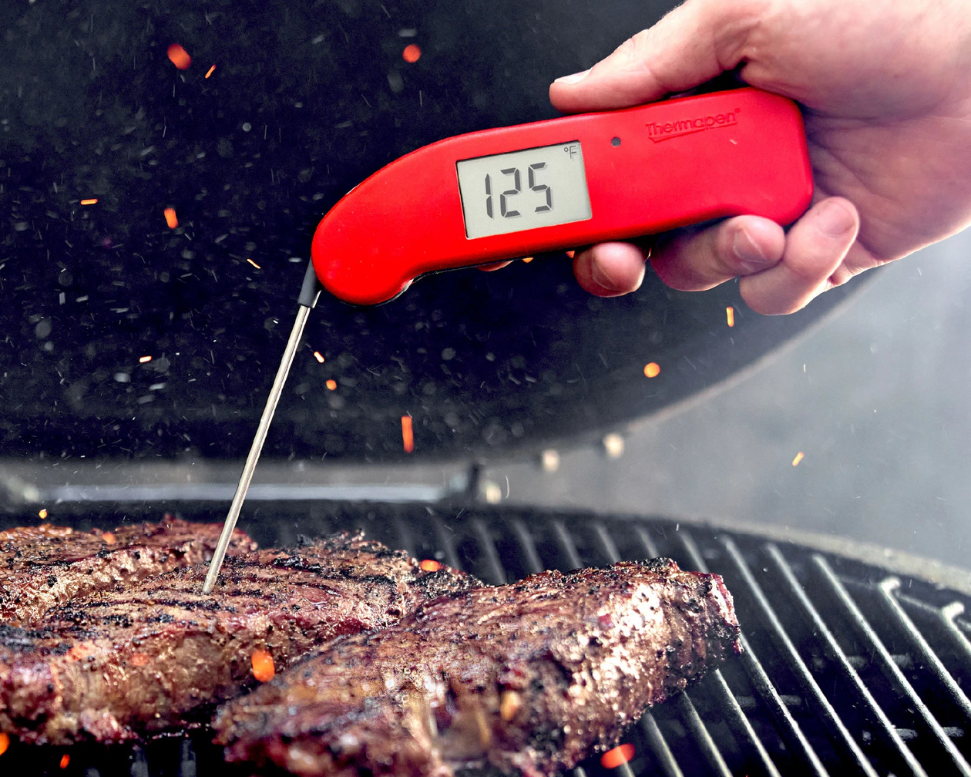
Cooking meat might be hard to predict. It seems ready one minute, then the next, it looks dry or undercooked. A digital food thermometer takes away the doubt by delivering exact inside temperatures instead of depending on guesswork.
This guide breaks down how to use it properly, where most people go wrong, and how tools like Thermapen ONE by ThermoWorks improve everyday cooking results.
How a ThermoWorks Food Thermometer Improves Cooking Accuracy
A thermometer changes how cooking decisions are made. Instead of checking color or texture, you rely on measurable data that reflects actual doneness. This shift alone reduces common mistakes people experience with meat preparation.
The ThermoWorks food thermometer category stands out because of speed and precision. With readings in about one second and accuracy within a fraction of a degree, it allows quick adjustments without losing heat from the oven or grill.
Common Cooking Mistakes Without a Thermometer
A lot of problems in cooking originate from making assumptions based on what you see. It can look like the meat is done on the outside, yet not be done on the inside. This happens a lot with bigger portions of meat, like chicken breasts or steaks.
People on forums often mention cutting into meat repeatedly just to check doneness. That approach releases juices and affects texture. Others rely on cooking time charts, which rarely account for variations in thickness or heat intensity.
Another frequent mistake involves removing meat too late. Residual heat continues cooking after removal, leading to dryness. Without temperature awareness, timing becomes inconsistent and difficult to repeat.
Step-by-Step Guide to Using a Food Cooking Thermometer
Using a thermometer correctly requires more than inserting it randomly into food. Placement, timing, and interpretation all influence the final result. Once these basics are clear, cooking becomes far more predictable.
Where to Insert the Probe
The probe should always go into the thickest part of the meat. This area heats the slowest and gives the most accurate reading of doneness. Avoid bones, fat pockets, or gristle since they can distort the measurement.
For items like steak, insert the probe from the side rather than the top. This ensures the sensor reaches the center without passing through too quickly. With poultry, aim for the deepest section of the breast or thigh.
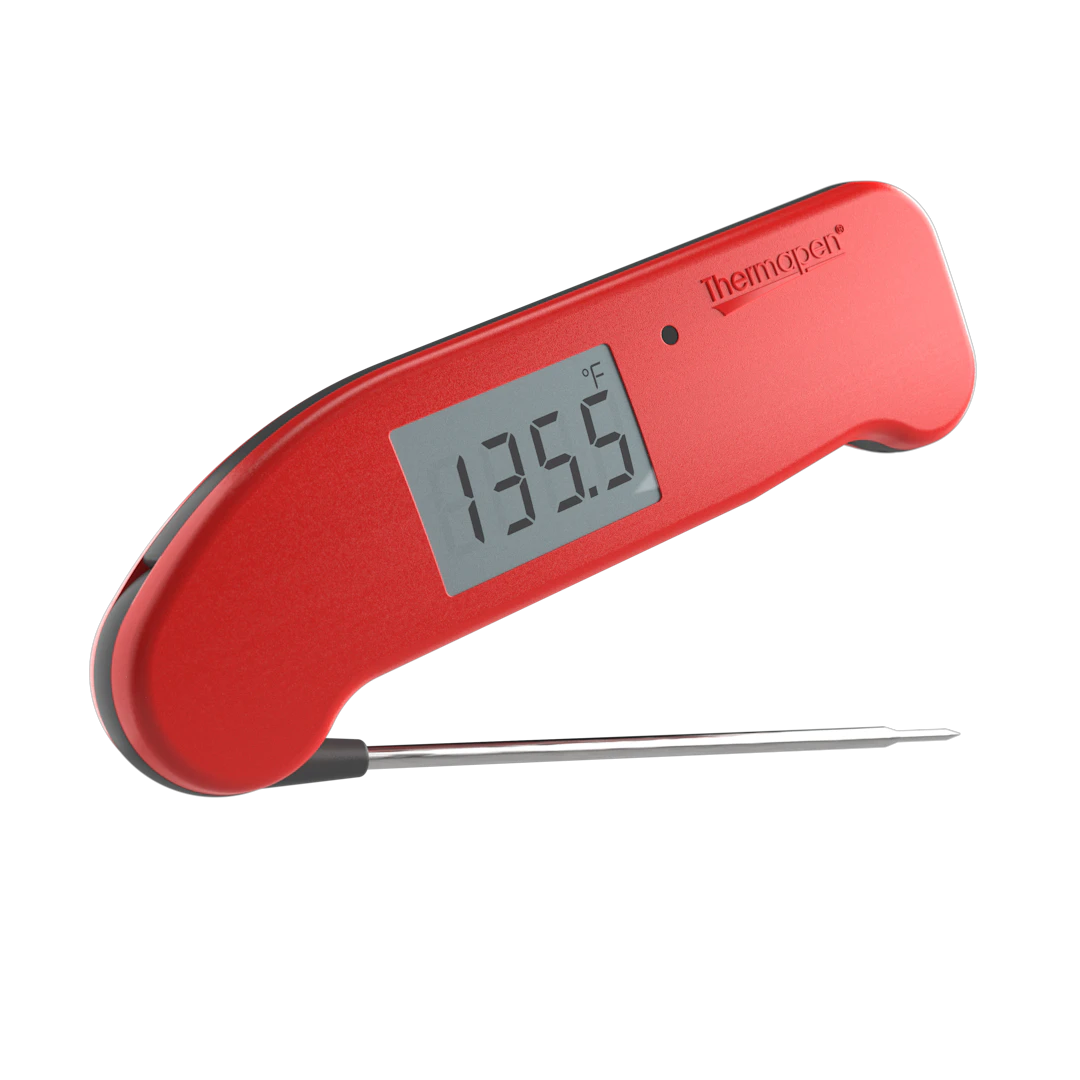
Tools like the Thermapen by Thermoworks make this easier due to their thin probe design. It slides into meat with minimal resistance and provides a stable reading almost instantly.
How to Read Temperature Correctly
Reading temperature is not just about numbers. It is about knowing when to act. Meat should usually be removed a few degrees before the target temperature because it continues to cook after being taken off the heat.
For example:
- Chicken reaches safe doneness at around 165°F.
- Medium rare steak sits near 130 to 135°F.
- Ground meats require higher temperatures for safety.
People often wait until the exact number appears before removing food. This leads to overcooking. A quick and responsive food cooking thermometer helps catch the right moment without delay.
Tips for Getting the Most out of Thermapen by ThermoWorks
When the same procedure is used with reliable instruments, consistency gets better. Making modest changes to the temperature control over time can make a big difference in the texture and taste.
Avoiding False Readings
False readings usually come from incorrect placement or rushing the process. If the probe touches bone or does not reach the center, the displayed temperature will not reflect actual doneness.
A fast reading device helps reduce this issue. Thermapen by ThermoWorks provides near instant results, which means less time guessing and more time reacting. Its rotating display also makes it easier to read from different angles without repositioning the hand awkwardly.
People often talk about how annoying it is when thermometers take a few seconds to stabilise. During that time, heat escapes and the way things are cooked changes, which makes things less accurate.
Cleaning and Maintenance
Proper care extends the life of any good meat thermometer. After each use, the probe should be wiped clean with warm water and mild soap. Avoid soaking the entire device unless it is designed to handle moisture exposure.
The ThermoWorks food thermometer range includes models with water-resistant builds, which helps during quick rinsing in busy kitchens. Still, drying the probe before storage prevents long-term wear.
Battery care also matters. Devices with motion-sensing features reduce unnecessary power use by turning on and off automatically. This ensures the thermometer is ready when needed without constant manual control.
Frequently Asked Questions
How Deep Should a Digital Food Thermometer Go into Meat?
The probe should reach the center of the thickest section. If it only touches the outer layer, the reading will be higher than the actual internal temperature, leading to undercooked meat.
Can You Leave a Digital Food Thermometer in the Meat While Cooking?
Instant read thermometers are designed for quick checks, not continuous monitoring. They should be inserted briefly, then removed once the reading stabilizes.
Why Does Meat Temperature Rise after Removing from Heat?
Even after cooking is done, residual heat keeps going inward. This procedure, which is also known as carryover cooking, can boost the temperature inside by a few degrees.
What Makes a Good Meat Thermometer for Daily Use?
Speed, accuracy, and ease of handling define a good meat thermometer. Devices that provide fast readings reduce guesswork and help maintain consistent cooking results.
Is a Thermometer Necessary for Cooking Meat Properly?
While not required, it significantly improves consistency. Many people who start using a digital food thermometer find it difficult to return to visual estimation methods.
Cooking improves when guesswork disappears, and tools built for precision make that shift easier to achieve. Products from ThermoWorks, especially the Thermapen ONE, bring professional-level accuracy into everyday kitchens without adding complexity to the process.
For those planning to invest in a reliable thermometer, it is worth checking available ThermoWorks promo codes before purchasing. Small savings can make a noticeable difference, especially on tools designed for long-term use.
Follow StyleAndStrong for more practical cooking insights and food guides that help improve everyday results.