
What Happens When You Spend Less Than You Earn on Purpose
 Admin
Admin
Choosing less than you earn isn’t deprivation but freeing up the mind and space for what matters most.
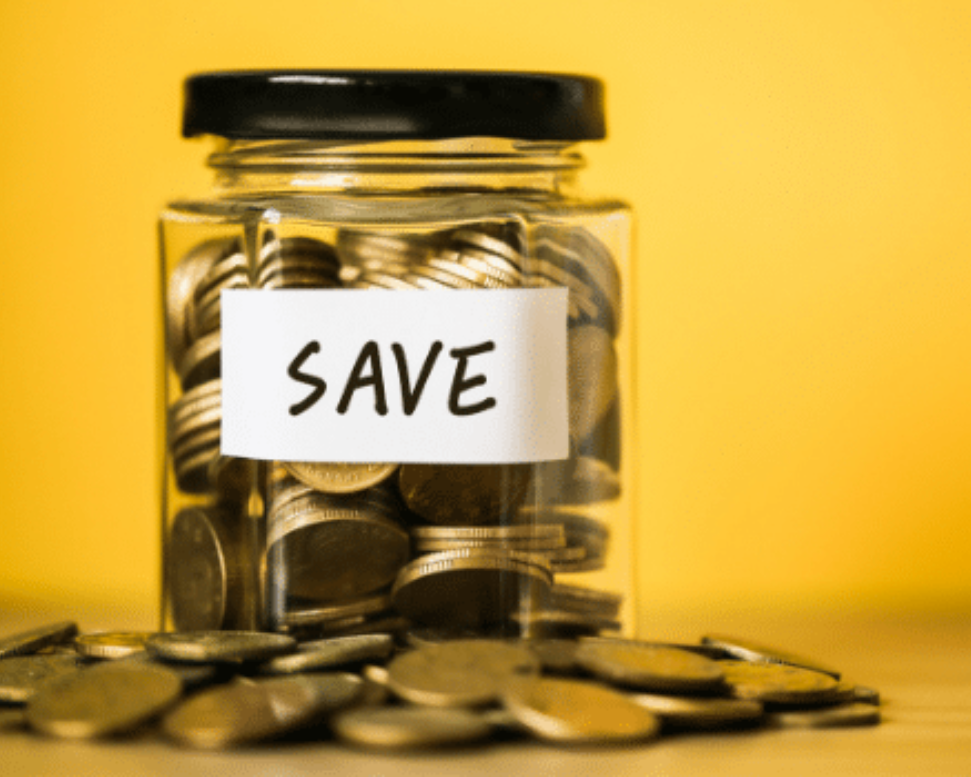
The decision to earn more and spend less is becoming a quiet revolution in modern lifestyle. Instead of chasing status through purchases, people are learning to measure success through stability, calm, and conscious living. Spending less than you earn gives more than financial security, it offers control, self-respect, and peace of mind in a fast-paced world that constantly urges more.
This shift is a response to burnout, inflation, and emotional exhaustion. Under-spending allows people to redirect energy from impulsive consumption toward deliberate creation. It’s a lifestyle built on intention, not restriction. The people leading this movement are redefining wealth, not as what’s owned, but as what’s experienced and preserved.
Why Reducing Purchases Can Boost Emotional Stability
Overspending doesn’t just drain finances, it drains focus. Every purchase decision adds to cognitive load. Ads, recommendations, and lifestyle pressures create micro-stressors that influence how people think and feel. Constant buying decisions chip away at clarity, leaving a trail of regret, clutter, and emotional noise.
When you commit to under-spending, you remove unnecessary choice from your day. That single act of restraint protects mental bandwidth. Fewer transactions mean fewer regrets, fewer distractions, and more time to actually live. This is how emotional stability takes root.
Financial peace often comes from a predictable rhythm. When your spending aligns with your income, you begin to trust yourself again. The absence of panic over bills or debt becomes emotional space for creativity, rest, and relationships. This sense of steadiness knowing you always earn more than you spend is the real definition of wealth.
Emotional stability grows as control replaces chaos. You stop reacting to impulses and start responding to purpose. Each purchase made with clarity strengthens self-confidence. Every avoided impulse reinforces discipline. It’s self-respect translated into action.
The Mechanics: Tracking, Mindset, and Habits
Intentional under-spending starts with self-awareness. You can’t shift what you don’t measure, and you can’t save what you don’t acknowledge.
Step 1: Track Without Judgment
Write down where every dollar goes for two weeks. Patterns reveal themselves. You’ll see how often emotion drives purchase decisions. Tracking creates mindfulness, not guilt. The goal isn’t perfection; it’s observation.
Step 2: Build the Pause
Before every purchase, pause for 24 hours. Let time test the urgency. Often, the impulse fades, proving the item was never needed. The pause builds awareness and creates distance from instant gratification.
Step 3: Anchor to Purpose
Savings are easier when connected to meaning. Create an emotional link between restraint and reward. Maybe that’s a vacation, debt freedom, or future security. When money has direction, motivation follows naturally.
Step 4: Make Small, Sustainable Adjustments
Drastic cutbacks rarely last. Instead, remove one recurring expense per month. Replace convenience spending with home rituals, cook at home twice a week, make coffee instead of buying, or walk instead of ride-share when possible. Incremental wins create sustainable habits. Consistency matters more than intensity. When you track, pause, and anchor, financial restraint becomes intuitive. It shifts from effort to identity.
How This Ties Into the Underconsumption Lifestyle
The underconsumption lifestyle thrives on one principle: the value of enough. Instead of glorifying constant growth or accumulation, it prioritizes peace through simplicity. People are realizing that constantly chasing the next purchase leaves little room for gratitude.
Under-spending aligns perfectly with this mindset. When you choose to save more and spend less, you’re actively creating emotional space. You’re quieting noise, financial and mental and learning to feel satisfied with what already exists.
This lifestyle extends beyond money. People are decluttering homes, reducing digital consumption, and creating time for stillness. They are redefining abundance as depth, not volume. The more intentional you become, the more contentment you feel.
In this framework, every financial decision supports a larger narrative: calm, control, and creativity. Earning more money doesn’t have to mean spending more. Instead, it can mean expanding choices, stability, and long-term satisfaction.
Simple Steps to Spend Less Intentionally
Practical steps matter. You don’t need a finance degree or an extreme savings challenge to adopt this lifestyle. Start with manageable actions that reinforce awareness and discipline:
- Audit your automatic payments: Review subscriptions, memberships, and app fees. Cancel what doesn’t serve your goals.
- Establish no-spend intervals: Designate one or two days a week as no-buy days. Redirect your attention to activities that cost nothing.
- Create a spending threshold: For any non-essential item over a set amount, wait 48 hours before purchasing.
- Pay yourself first: Automate savings the same day you receive income. Saving becomes effortless when you treat it as non-negotiable.
- Track wins: Each month, record how much you’ve saved and how your stress levels feel. This reinforces progress.
- Seek free satisfaction: Replace shopping with walks, home cooking, creative hobbies, or decluttering. These yield deeper fulfillment than quick purchases.
- These steps are not restrictive, they’re liberating. Each conscious act removes friction from your financial and emotional landscape.
Expanding the Mindset
Spending less doesn’t mean living smaller. It means creating margin for the things that matter most. Once financial stability takes root, people often find their ambitions expanding in healthier directions. They invest in education, experiences, and relationships rather than things. They find themselves energized rather than depleted.
When you earn more and spend less, freedom compounds. You gain the flexibility to take risks, switch careers, or travel without anxiety. Every dollar saved becomes an opportunity. Every dollar unspent becomes a piece of peace.
Money is energy. Direct it with intention, and it becomes a tool for creativity instead of control. The goal is the alignment between earning, spending, and meaning.
Under-spending is more than a financial choice, it’s a mindset shift toward balance and empowerment. When you live below your means with intention, you reclaim your emotional bandwidth, strengthen your self-trust, and build a future that feels light instead of heavy. The power of intentional under-spending lies in clarity. It replaces urgency with patience, confusion with awareness, and anxiety with confidence. When your money moves in harmony with your values, you no longer chase wealth, you create it.
Follow StyleAndStrong for blogs on lifestyle, money, and mindset built to inspire your next chapter.