
What Professional Climbers Teach Us About Finger Strength
 Admin
Admin
Rock climbers are redefining how athletes think about grip, tension, and control.
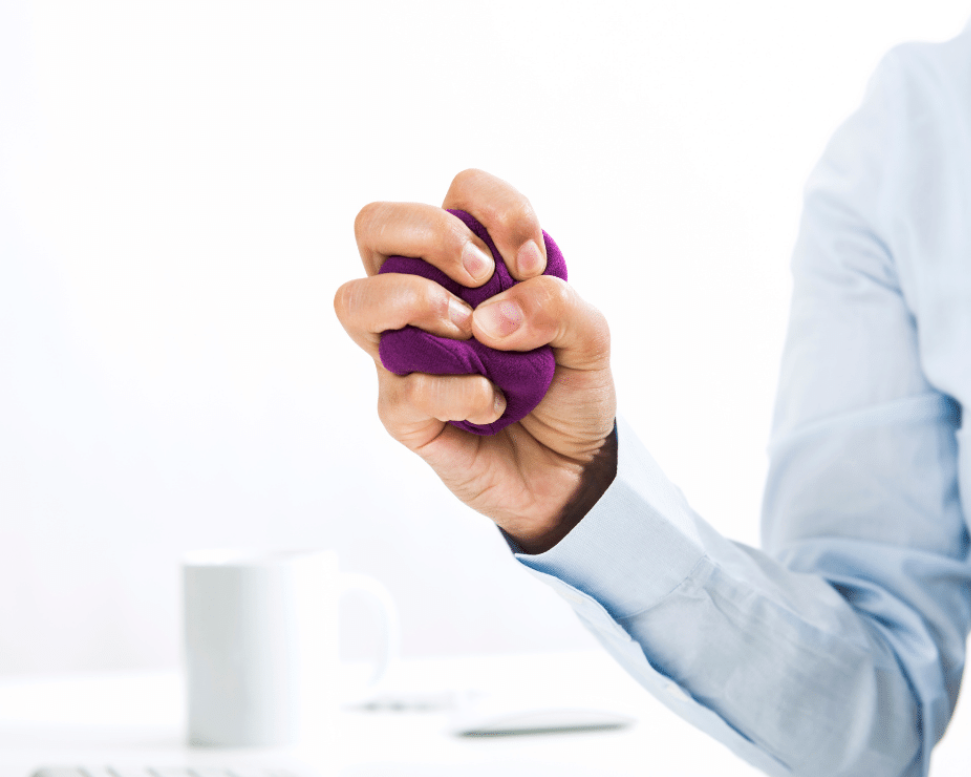
In elite climbing circles, grip isn’t just strength but a strategy. Finger strength is the silent force behind the hardest ascents, the secret to defying gravity, and a performance metric that’s finally being recognized beyond climbing gyms. From barbell PRs to racquet precision, finger control connects the body to whatever it’s moving. And climbers? They’re leading the way in how we train it.
For years, finger strength was a niche obsession. Now it’s a universal tool in sports performance. Athletes across disciplines are learning that training the smallest muscles can lead to the biggest breakthroughs.
What Climbers Do to Build Tendon and Finger Strength
Climbers train finger strength differently than other athletes. They’re not doing curls or machines. They use targeted resistance on the tendons and pulleys inside the fingers. The most iconic tool is the hangboard, a flat board with pockets, edges, and grips where athletes hang their bodyweight using just their fingertips.
These workouts focus on load, time, and grip type. A basic hangboard session may involve:
- 10-second fingertip hangs.
- 3–5 sets with 1-minute rest.
- Varying grips: open-hand, crimp, or half-crimp.
- Added weight once body weight becomes easy.
Climbers also use campus boards, ladder-like rails climbed without feet to improve contact strength and explosive grip. Others rely on finger trainers or grip putty to train while traveling or recovering.
They don’t just train fingers to squeeze harder. They train the coordination and endurance behind grip endurance. Over time, these routines build collagen density in the tendons, increasing both strength and resilience.
The Physiology of Grip and Neuromuscular Connection
Grip strength is more than a function of muscles. It’s a conversation between your brain and your body. When you grip an object, sensory neurons send signals up the arm, through the spinal cord, and into the brain. The nervous system responds with force regulation, stabilization, and feedback loops.
This loop sharpens motor control. Athletes who train grip regularly improve their neuromuscular efficiency. That means better muscle recruitment, timing, and balance. The brain learns how to activate muscles faster and more precisely, which translates to stronger lifts, quicker reactions, and better handling in technical sports.
Studies in sports medicine now consider grip strength a predictor of overall health and injury risk. That’s why finger strength is an asset across the athletic spectrum.
How Finger Training Improves Control in Tennis, Golf, BJJ, and Lifting
Finger control influences how well an athlete connects to their sport’s primary tool, whether that’s a racquet, club, barbell, or gi. In tennis and golf, stronger fingers allow for micro-adjustments in pressure and direction. This improves shot accuracy and reduces wrist strain.
In Brazilian Jiu-Jitsu (BJJ), the ability to hold onto fabric, wrists, and collars can dictate the success of a grip battle. Athletes with superior finger exercises for strength often maintain control longer and execute techniques more smoothly.
For lifters, finger fatigue can limit performance even before large muscle groups do. Improving grip translates to longer sets, better deadlift lockouts, and more stable presses. When your grip is confident, your form follows.
Hangboards, Finger Trainers, and Rice Bucket Drills
You don’t need to scale walls to adopt climber routines. These tools and exercises can integrate easily into most training programs:
Hangboards: Mount them on a doorway or gym wall. Start with basic hangs using open-hand grips. Progress to single-arm or weighted hangs.
Finger Trainers: Rubber rings, spring-loaded tools, and finger extension bands target both squeezing and opening motions. Use them during rest periods or as warm-ups.
Rice Bucket Drills: Submerge hands in a bucket of rice and perform twisting, clawing, and spreading motions. This builds endurance and grip in all directions while being low-impact.
Towel Pull-Ups: Wrap a towel over a pull-up bar. Holding each end, perform pull-ups to strengthen wrists and fingers simultaneously.
Farmer Carries: Hold heavy weights for distance. These build static grip under load, which complements the dynamic strength needed in climbing and combat sports.
Use these tools consistently and progressively. Finger strength adapts slowly, so small weekly progressions are ideal.
Prevention of Elbow and Wrist Injuries
Weak grip often leads to compensation in the wrist, elbow, and shoulder. Over time, this can cause inflammation and injury. Strengthening the fingers allows for more balanced force distribution through the upper limbs.
Climbers regularly include antagonist training to maintain joint health. That means working the extensor muscles on the back of the hand. Tools like finger bands that stretch the fingers outward are essential. Adding wrist curls, reverse curls, and gentle mobility work ensures that added finger tension doesn’t overload the elbow or carpal tunnel area. If you’re training hard, these exercises are your best insurance against tendonitis, golfer’s elbow, or repetitive strain injuries.
Why Strong Fingers = Stronger Lifts and Better Skill Transfer
Finger strength often limits performance before bigger muscles do. When the fingers can’t hold on, the set ends. When grip falters, accuracy drops. Training this one area removes a ceiling on your full potential.
In lifting, grip is often the weakest link in deadlifts, pull-ups, and rows. By strengthening it, you extend time under tension and increase the weight you can move safely.
In skill-based sports, finger strength supports fine motor control. Archers, shooters, and martial artists report sharper accuracy after consistent finger strength training. Even musicians and physical therapists benefit from these methods.
Daily Training Protocols for Non-Climbers
You don’t need chalk or crags to add this to your training. Here’s a simple weekly protocol:
Monday & Thursday
- 3x10s hangs on hangboard or doorframe
- 3x15 reps finger extensions with rubber bands
- 2x farmer carries for 30 seconds each
Tuesday & Friday
- Rice bucket: 2 minutes total of grip/rotate/claw moves
- Wrist curls: 3x15 reps
- Reverse curls: 3x12 reps
Daily:
- Finger trainer squeezes while watching TV or commuting
- Towel twists or hand towel wringing for forearm flush
This plan builds tendon density, improves proprioception, and integrates recovery.
Strong fingers are a competitive edge hiding in plain sight. Whether you’re climbing a wall or gripping a bar, this kind of strength supports everything from performance to injury prevention. Training your fingers improves your control, power, and endurance and it’s shockingly easy to add to your routine. Athletes across sports are now turning to climber-inspired grip work to unlock their next level. The tools are simple, the results are lasting.
Follow StyleAndStrong for more underrated training tactics, expert-backed routines, and performance insights.