
Remote Villages That Went Completely Offline and Why Travelers Seek Them
 Admin
Admin
With digital detox travel on the rise, readers crave true disconnection. This uncovers real villages that stayed offline by choice or geography and how to visit respectfully.
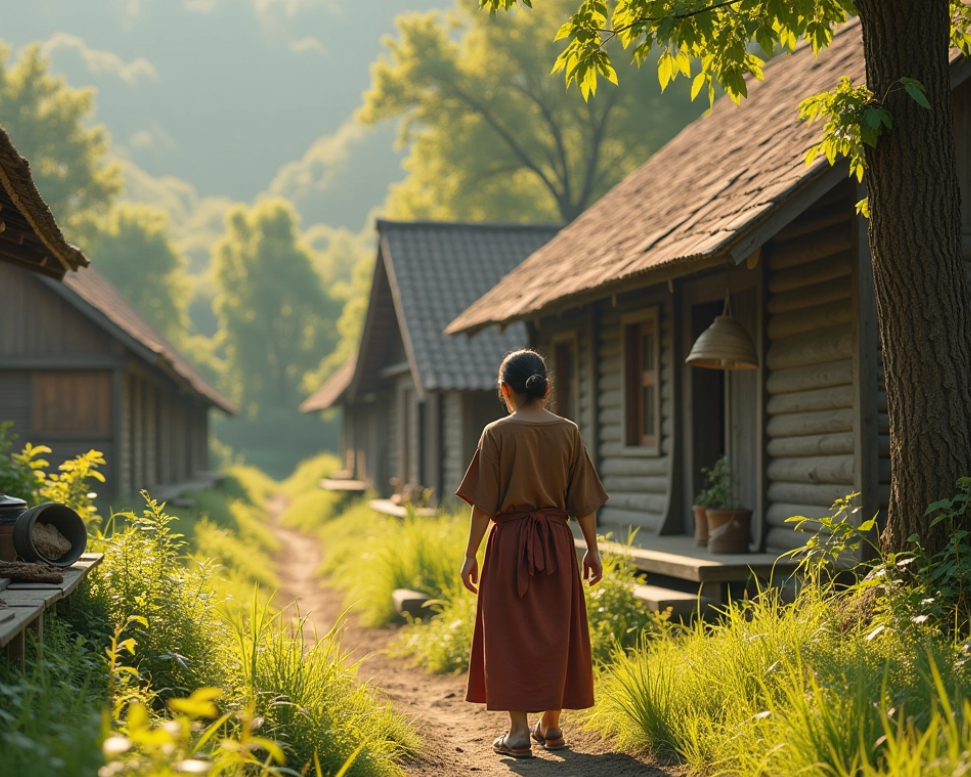
The craving to unplug is no longer a trend but a travel essential. In a world where every moment is tagged, tracked, and shared, there are still corners of the planet untouched by Wi-Fi signals or cell towers. A true remote village doesn’t just slow you down, it resets you. These are places where connection means something else entirely, and that shift is exactly why more travelers are looking for ways to step away from the screen.
Whether it’s to rediscover quiet, recalibrate sleep, or be present with people again, remote villages have quietly emerged as top choices for digital detox vacations. They’re small, sometimes hard to reach, and absolutely worth the journey. If you’ve ever asked what is a remote village or what it feels like to be somewhere where phones stop working and time breathes, this guide is for you.
Why Some Villages Are Offline
There are villages around the world that simply never plugged in. Some are so deep in valleys or mountains that cell signals can't reach. Others made a conscious choice to stay disconnected, preserving tradition and pace instead of adopting tech. These places don't just miss the internet, they've never depended on it.
Without screens, life runs on weather, rhythm, and routine. You wake up with the light, you talk over firewood, and you sleep when the stars get bright enough. The result is presence instead of silence. For travelers, reaching one of these hidden spots becomes the start of a full reset. It’s the purest form of a phone cleanse: nothing buzzing, nothing pinging, and no compulsion to document.
Supai, Arizona, USA: Where Mail Still Comes by Mule
Deep inside the Grand Canyon lies Supai, a remote village where no roads lead. To get to this remote village, you hike or ride for eight miles across desert canyons, or book a helicopter operated by the Havasupai Tribe. No cars. No Wi-Fi. The U.S. Postal Service still uses mules to deliver mail here.
Supai is home to the Havasupai people and is one of the most isolated communities in the United States. It’s also visually stunning, turquoise waterfalls, red canyon walls, and air that carries only the sound of water and wind. Entry is strictly regulated through permits, and visitors must book both camping spots and access months in advance through the tribe’s reservation portal.
Muang Ngoi Neua, Laos: River Access Only, No Cell Towers
Located in northern Laos, Muang Ngoi Neua is reachable only by boat from the town of Nong Khiaw along the Nam Ou River. There are no roads leading in or out. No cell service. Electricity comes from generators or small solar panels, and the nights are filled with the sound of frogs and cicadas.
The village has a handful of bungalows and bamboo huts that sit right along the riverbank. Most travelers get here by taking a longtail boat, a journey that takes about an hour upstream. The landscape is raw and dramatic, jungle cliffs, caves, and forests rich with medicinal plants. Travelers often stay a few nights, hike to nearby ethnic villages like Ban Na, and share meals with local families.
Zagori Region, Epirus, Greece: Hidden Stone Villages in the Mountains
In northwestern Greece, the Zagori region is a mountainous area filled with dozens of preserved stone villages. Mikro Papigo and Vradeto are two of the smallest and most remote, neither has reliable phone signal, and reaching them involves driving hours from Ioannina, followed by hikes or narrow switchback roads.
Built from local limestone, these villages are surrounded by the Vikos Gorge, alpine forests, and ancient footpaths connecting them all. There are no large hotels, just guesthouses, family-run tavernas, and wood stoves. The best time to visit is between May and October, when the weather allows access to the mountain passes.
Travelers come here for hiking, solitude, and long conversations over home-cooked food. The cultural preservation is serious, architecture, recipes, and pace of life are fiercely protected.
Taktshang Region, Paro District, Bhutan: Sacred Stillness on a Cliffside
Near the famous Tiger’s Nest Monastery (Taktshang Goemba) in Bhutan’s Paro District are villages like Shari and Tsento, tucked into the folds of pine-covered hills. Electricity is limited, and most homes are built from rammed earth and stone. Phone use is minimal, and signal reception is often blocked by altitude and terrain.
Visitors must arrange travel through government-approved tour operators, as Bhutan’s tourism is regulated under a “high value, low impact” model. Entry visas, guides, and transportation must be pre-booked. Once you’re there, you walk, sometimes for hours, to reach villages where monks chant in centuries-old temples and time moves with the mountain light. These villages are where spiritual and digital silence intertwine, making them powerful destinations for detox retreat seekers and those craving a different kind of clarity.
How to Reach These Villages Without Disrupting Them
Traveling to a remote village takes intention. Some areas have never been exposed to high levels of tourism, and arriving with the wrong energy can cause more harm than good.
- Plan with locals: Use community-based tour operators who reinvest into the village.
- Pack light and respectfully: Leave unnecessary tech, bring biodegradable essentials, and avoid flashy gear.
- Give more than you take: Buy local, eat local, and leave spaces better than you found them.
- Accept their pace: Don’t rush, don’t schedule. Let go of control.
This is where digital detox vacations become more than just time off. They become insight into a different way of living.
The Rise of Intentional Phone Cleanses
With tech fatigue on the rise, intentional phone cleanses are being designed into travel. Some people use detox retreat centers, but more are turning to raw, offline locations where the cleanse happens because there’s literally no other option.
Choosing a remote village means choosing to reset. Not temporarily, but permanently. The experience of being unreachable is no longer scary, it becomes powerful. That’s why interest in these destinations is growing fast.
The world keeps getting louder, faster, and brighter. But in quiet corners tucked between rivers, cliffs, and canyons, something else is possible. A remote village doesn’t promise perfect comfort, but it promises space to feel what life is like without alerts, posts, and likes. This is where travelers are heading now, to unplug not just from tech, but from expectations. To remember how to listen, how to look, and how to just be.
For more guides to places where the world slows down, follow StyleAndStrong.