
Why Strength and Mobility Over 50 Are the New Fitness Priorities
 Admin
Admin
Forget slowing down, your 50s might be your strongest decade yet. Here’s how the new wave of strength-forward fitness is changing the way we age.
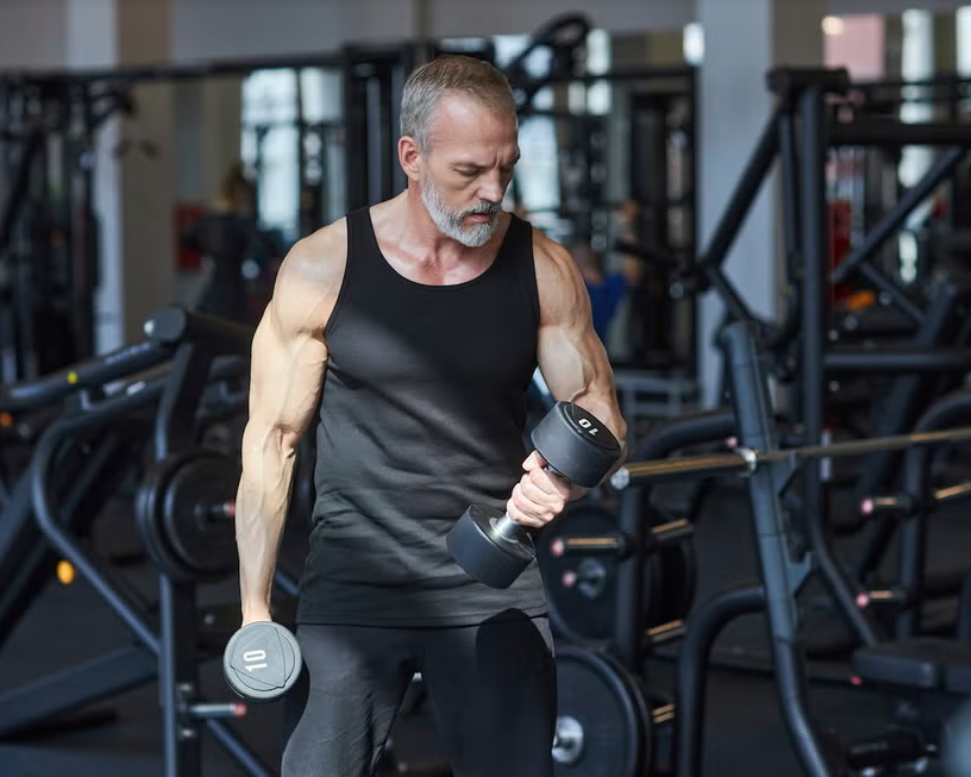
Longevity fitness is having a moment which is not limited to athletes or fitness fanatics. Adults over 50 are now adopting strength and mobility training as essential tools for everyday function, not just for show. From maintaining energy levels to supporting joint health and preserving independence, the focus has moved toward training that supports real life.
Whether you're starting from scratch or returning to movement after years off, the modern fitness conversation welcomes you. This guide walks through what makes a program truly work for bodies over 50, from muscle and bone health to smart recovery and sustainable routines.
Why Traditional Fitness Misses the Mark After 50
For decades, fitness culture prioritized calorie burn, high-impact classes, and quick transformations. That model doesn’t work well when joints ache, recovery slows, or priorities change. Traditional cardio-heavy programs often neglect muscle retention and joint support. The problem? Those are two key pillars for longevity and quality of life.
Older adults are also more prone to overuse injuries when jumping into high-intensity trends. The smarter approach involves resistance training, mobility work, and functional movement patterns that mirror real-world demands, getting up off the floor, lifting groceries, climbing stairs, or maintaining balance on uneven terrain. The narrative has changed, strength and flexibility aren’t bonus traits. They’re foundational.
What Happens to Muscle and Bone After 50
In your 30s, muscle mass naturally declines in a process called sarcopenia. By the time you hit 50, this loss accelerates, and bone density begins to drop as well. Less muscle means reduced strength, slower metabolism, and increased risk of injury. Weaker bones increase the risk of fractures from simple falls.
Mobility also becomes more limited. Connective tissue tightens, recovery takes longer, and flexibility diminishes. The good news? Strength training over 50 can significantly slow and even reverse these changes.
Resistance exercises stimulate muscle protein synthesis, helping the body rebuild lost muscle. Weight-bearing movements encourage stronger bones. Regular mobility drills maintain joint range and reduce stiffness, improving daily comfort and movement efficiency. This is where functional fitness truly shines because it's tailored for real needs, not arbitrary goals.
What Functional Fitness Really Means at This Age
Functional fitness means training your body to handle everyday activities with more strength, balance, and coordination. The goal is better quality of life, not performance on a leaderboard.
Here’s what that looks like:
- Squats mimic sitting and standing without support
- Pushes and pulls train the arms and back for lifting or carrying
- Hinges (like deadlifts) protect the lower back and improve posture
- Carries develop grip strength and stability
Balance drills and core work are equally important. A strong core improves spinal health and helps with everyday tasks like bending, rotating, or walking on uneven ground. Exercises such as bird dogs, heel taps, or standing leg lifts can support both core strength and stability.
Grip strength is another key marker of longevity. Studies link stronger grip to lower fall risk and better overall health outcomes, making it a central focus for fitness after 50.
A Sample Weekly Program for Beginners Over 50
A realistic program starts with frequency, sustainability, and intention. Here’s a simple 3-day split:
Day 1: Strength + Core
- Bodyweight squats or supported goblet squats (3x12)
- Resistance band rows (3x12)
- Dumbbell chest press (3x10)
- Bird-dogs (3x10 per side)
Day 2: Mobility + Stability
- Cat-cow spinal mobility (2x10)
- Standing leg swings (2x15 per leg)
- Heel-to-toe walks for balance (3 rounds)
- Seated spinal twists and stretches
Day 3: Full-Body Functional Strength
- Chair-assisted step-ups (3x10 per leg)
- Resistance band lateral walks (2x20 steps)
- Deadlifts with light dumbbells or kettlebells (3x8)
- Plank holds (3x20 seconds, modify as needed)
Rest days are important. Walking, stretching, or light yoga can be added as active recovery. Each workout starts with a warm-up and ends with gentle cooldown stretches.
Recovery, Hormones, and the Smarter Way to Train Over 50
The recovery window widens with age. Training smarter means accounting for that. Rest days should be non-negotiable. Protein intake should be prioritized. Sleep needs increase slightly as the body works harder to recover and repair.
Low-grade inflammation can affect joints, digestion, and mood. Training styles that are low-impact, consistent, and restorative help manage this. Walking, swimming, and stretching can be used strategically to support active recovery. Hydration, magnesium, and omega-3-rich foods also contribute to joint health and muscle repair.
One overlooked component? Stress. Fitness routines that consider nervous system recovery like yoga or breathwork can help regulate cortisol and support hormone balance.
Real People Getting Stronger in Their 50s, 60s, and Beyond
Online forums and fitness communities are filled with inspiring stories of transformation. A 62-year-old woman in California documented her journey from sedentary lifestyle to lifting 30-pound kettlebells. She credits resistance bands, walking, and daily stretching for reversing years of back pain and brain fog.
A 55-year-old man in the UK started training after being diagnosed with early osteoporosis. Within a year of lifting and using mobility exercises for over 50, he showed improvements in posture, coordination, and energy. More importantly, he reported sleeping better and needing fewer pain medications.
Personal trainers now specialize in fit over 50 coaching. Many of their clients aren’t chasing PRs, they want energy to travel, play with grandkids, and live independently. Strength training over 50 becomes a confidence builder as much as a physical one.
Tools and Platforms Making Fitness Over 50 Easier Than Ever
There are more accessible tools than ever for people looking to build strength and mobility at home:
- Resistance bands with varying levels of tension
- Dumbbells from 3 to 15 pounds for scalable progression
- Balance pads for stability drills
- Streaming platforms offering age-specific routines (SilverSneakers, Mighty Health)
Apps and programs now filter content by age and ability, offering modified routines for those starting later in life. Virtual coaching makes it easier to stay accountable without stepping into a traditional gym.
Online communities such as Facebook fitness groups or Reddit’s over-50 fitness threads also provide motivation and shared success stories.
Building muscle at 50 is a foundational part of long-term health. It supports independence, reduces injury risk, and boosts vitality. Functional fitness trains your body to live well, not just look fit. Age and fitness are not at odds. Every rep, every walk, every stretch becomes a vote for the future you want. Whether you’re just getting started or refining your routine, this is the decade where you move with purpose.
Follow StyleAndStrong for more training strategies, mobility tips, and smart fitness guidance.