
Inside the WHOOP Band That Tracks Your Body Better Than Your Brain Does
 Admin
Admin
More than a fitness tracker, WHOOP offers a look at how your body handles effort rest and stress across your day and night
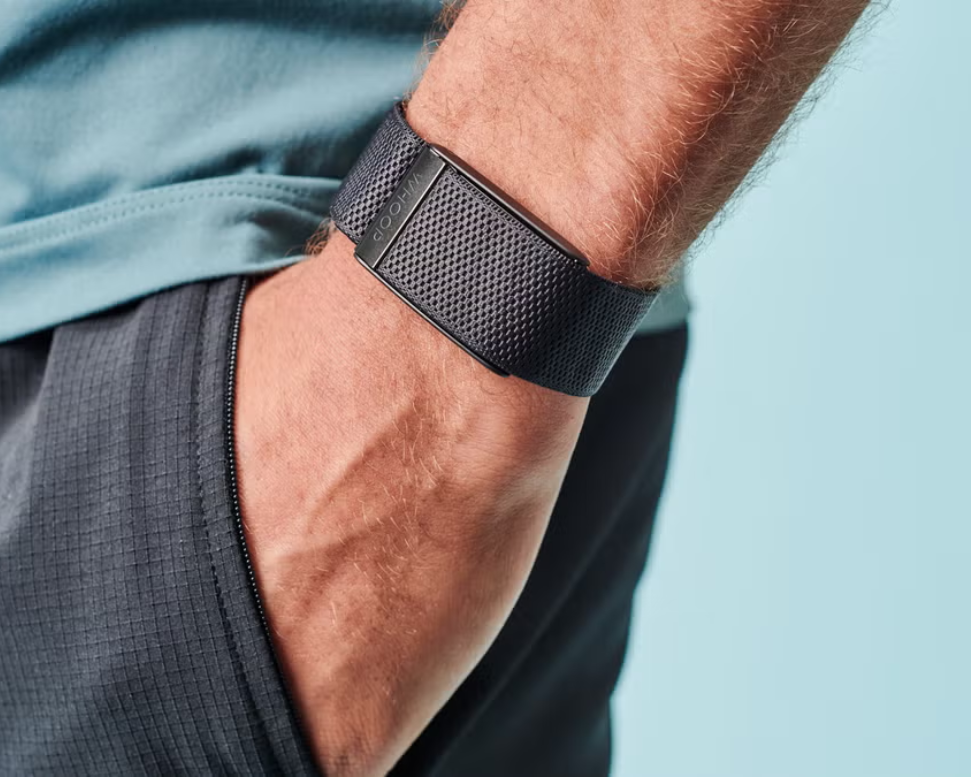
It starts with a strap that doesn’t show you the time. No flashy display. No notifications buzzing on your wrist. The WHOOP band quietly gathers data without asking for your attention and somehow still knows what’s going on inside your body better than you might.
For anyone deep into their fitness or just trying to understand how stress, sleep, and recovery shape their daily energy, the WHOOP band has turned up in conversations around serious training, health tracking, and even longevity. But what is this minimalistic fitness tracker actually offering? And does it deliver value that justifies its commitment-heavy design?
Let’s walk through what WHOOP offers, who it’s designed for, and why it’s built differently from nearly every other wearable on the market.
Understanding the WHOOP Ecosystem
The WHOOP band is not a standalone product. It functions as part of a membership system. When you sign up, you receive the wearable device, either the WHOOP 4.0, 5.0, or the more advanced WHOOP MG and access to the app that decodes the data it collects. The band itself doesn’t display anything; everything is fed into your app, where metrics like heart rate variability (HRV), resting heart rate, skin temperature, and respiratory rate are used to generate deeper insights.
The focus here isn’t movement in isolation. The fitness tracker leans into physiology, especially in how your body responds to strain and how it recovers. That’s the real premise. It’s tracking not just effort, but the cost of effort.
What the WHOOP Band Tracks
The band tracks three core areas: strain, recovery, and sleep.
- Strain captures how much stress your body accumulates through workouts and daily activity.
- Recovery is measured each morning, based on HRV, resting heart rate, respiratory rate, and sleep quality.
- Sleep is tracked by duration, cycles, disturbances, and overall efficiency.
It also adds insights into menstrual cycles, VO2 Max, and long-term aging pace (Healthspan), depending on the membership tier.
The data is interpreted through color-coded scoring and trend lines to help users understand their readiness for training, or when to scale back.
Different WHOOP Bands: 4.0 vs 5.0 vs MG
WHOOP 4.0 is the base model and comes with a five-day battery life. It offers foundational metrics and personalized coaching inside the app. It suits someone looking for essential health monitoring without going too deep into diagnostics.
WHOOP 5.0 introduces better battery life (up to 14 days), new band designs like SuperKnit and LeatherLuxe, and more real-time stress tracking. It also supports haptic alarms and gives more granular data on sleep disturbances, strain load, and heart rate zones.
WHOOP MG takes it a step further by offering medical-grade features, such as ECG readings, irregular heart rhythm notifications (where available), and beta-stage blood pressure insights. This model is positioned toward users who are managing health over longer timelines, potentially with physician oversight.
Each model is tied to a tiered membership: One, Peak, or Life. Higher tiers unlock more data and access to more advanced devices. The subscription model means your device is always covered by warranty, and upgrades are available, but it also means a recurring cost for continuous access.
Membership Tiers and What You Get
The WHOOP membership structure is split into three tiers, each unlocking a different level of access and hardware. Here’s how they break down:
- WHOOP One: Available at $149 per year, this tier includes a pre-owned WHOOP 4.0 device, a wireless battery pack, and access to sleep, strain, and recovery insights. It also includes VO2 Max tracking, heart rate zones, and menstrual cycle insights. This tier suits users focused on essential wellness and performance metrics without going into medical-grade diagnostics.
- WHOOP Peak: Priced at $239 per year, it includes a WHOOP 5.0 device, wireless PowerPack, and the upgraded Obsidian SuperKnit band. Features expand to include Healthspan insights, heart rate zone tracking, real-time stress monitoring, and haptic alarm functions. This tier is designed for users who want a comprehensive overview of their physical performance and aging.
- WHOOP Life: At $359 per year, this is the most advanced membership, bundled with the WHOOP MG device and a Luxe titanium-accented band. It introduces beta-level blood pressure insights, ECG with on-demand AFib detection, and a full heart health monitor. This tier fits those seeking deep cardiovascular data and long-term wellness optimization.
All memberships come with a lifetime warranty on the device as long as your subscription remains active. Users can also switch tiers mid-cycle, whether upgrading to access more features or simplifying their membership.
A one-month free trial is also offered on the Peak plan using a certified pre-owned WHOOP 5.0 device, which provides a way to test the ecosystem before committing.
How WHOOP Presents Data
The app is where everything happens. It surfaces trends through weekly and monthly reports, gives daily coaching insights, and integrates with other health apps if needed. The real value here is in visibility: tracking physiological metrics without the friction of constant input.
What makes it different is how it interprets readiness. For instance, a low recovery score may prompt the app to suggest less intense training or prioritizing sleep. It doesn’t reward step counts or stand hours. It tracks strain, and guides recovery in response to it.
What WHOOP Users Notice Over Time
Users often report an increased awareness of how behavior impacts recovery. Drinking alcohol, staying up late, or overtraining becomes visible in the data. For those training for endurance events, strength competitions, or simply chasing consistent energy levels, the WHOOP bracelet can become more than a mirror instead of a tracker. You begin to correlate choices with outcomes. It makes physiological responses more visible and, in turn, more actionable.
That said, the learning curve is steeper than other wearables. There’s no screen to interact with, and no quick stats to glance at during a run. It demands intention. You get out of it what you put in.
The WHOOP watch doesn’t try to impress with appearance. It delivers by showing what your body goes through under the surface and what it might need to perform better the next day. It’s a system built for continuous feedback, not instant gratification. And for people ready to measure effort and recovery seriously, the WHOOP band builds awareness that most wearables still overlook.
Follow StyleAndStrong for more on sports and the latest in fitness tracking gear that matters.