
Why Women Over 30 Are Turning to Strength Training First
 Admin
Admin
Something is shifting in the world of fitness, and women in their 30s are leading the way.
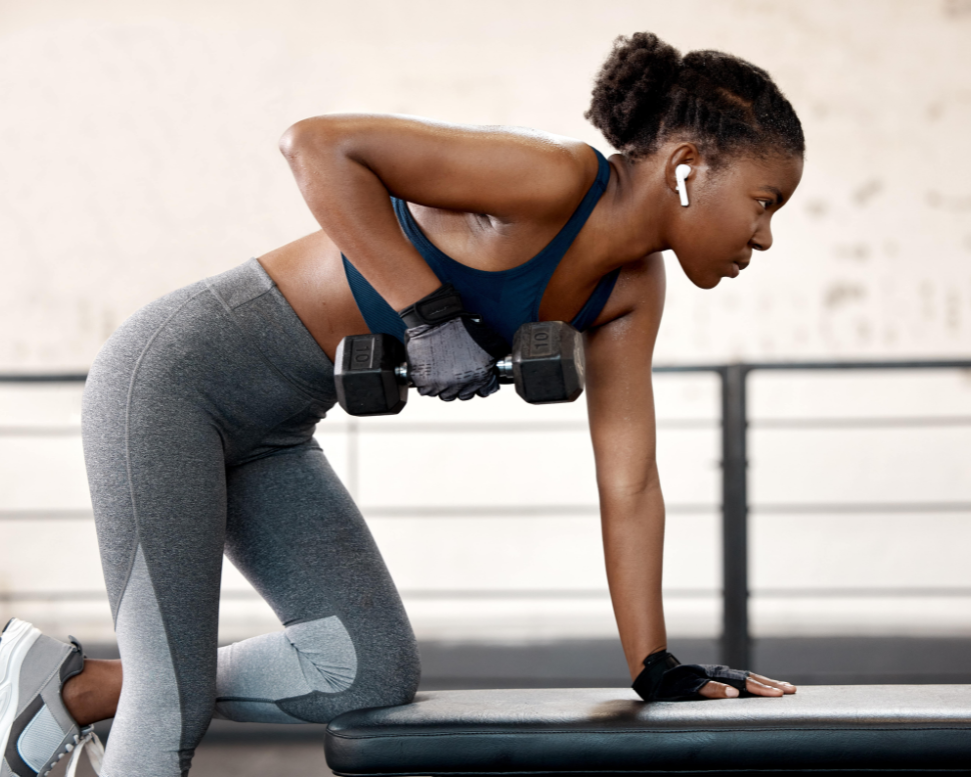
Something is shifting in the world of fitness, and women in their 30s are leading the way. Cardio sessions once dominated the wellness space, but more women are walking past treadmills and heading straight for the weights. This change isn’t driven by trends alone. It’s grounded in science, longevity, and real results. As hormonal changes begin to subtly alter energy levels, metabolism, and muscle tone, strength training becomes less of an option and more of a smart strategy.
Fitness is no longer centered on shrinking. It’s about building, sustaining, and protecting what matters long-term. That includes strength, energy, confidence, and hormonal harmony. Women are now asking how to train in a way that works with their biology, not against it.
Hormonal Shifts That Affect Body Composition After 30
Around age 30, natural hormonal fluctuations begin to influence everything from how energy is stored to how muscles recover. Estrogen, which helps regulate metabolism and supports lean muscle, starts to decline gradually. Alongside that, there’s often a drop in progesterone and testosterone, two hormones that also play a role in female muscle maintenance and fat distribution.
This can lead to increased fat storage, especially around the midsection, and a noticeable decrease in muscle mass. Without strength-focused movement, the body begins to lose muscle at a rate of 3 to 8 percent per decade. That’s not just a vanity metric. Muscle impacts posture, joint stability, insulin sensitivity, and bone density.
Strength training helps counteract this decline by encouraging muscle protein synthesis and keeping the metabolism more responsive. The impact is both physical and hormonal.
Why Cardio Alone Doesn’t Work Long Term
Cardio has benefits for heart health and mental clarity. But when used as the primary method for body composition or strength, it falls short. Long steady-state sessions can lead to muscle loss over time, especially if not paired with resistance work.
Strength training, on the other hand, increases metabolic rate, even at rest. This means your body burns more calories throughout the day just by having more lean muscle. Unlike cardio, which stops burning calories shortly after the session ends, lifting weights keeps your metabolic engine running longer.
For women navigating their 30s and beyond, relying on cardio alone can feel like working harder for fewer results. Strength training offers a more sustainable way to feel stronger, leaner, and more energized without the endless treadmill loops.
Muscle as Metabolic Currency
Muscle does more than shape the body. It’s one of the most metabolically active tissues in the human system. When women prioritize strength, they’re also building an internal engine that helps regulate everything from blood sugar to energy output.
The benefits of strength training for women go beyond aesthetics. Strong muscles support bone health, reduce the risk of injury, and increase insulin sensitivity. They also aid in reducing chronic inflammation, a silent factor that often ramps up in the 30s due to stress and hormonal shifts. Lifting weights is a direct investment in future health. Each rep supports mobility, independence, and vitality down the line.
The Strength Training Myth That Held Women Back
For years, fitness marketing pushed the narrative that women needed to keep workouts light, fast, and cardio-focused. Strength work was often reserved for men or framed as something that would make women “bulky.”
This messaging held many women back from discovering the life-changing benefits of resistance training. But science never supported those fears. Gaining large amounts of visible muscle requires years of targeted training, specific nutrition, and often male levels of testosterone.
Women are now rewriting that narrative. They’re lifting not to fit a mold, but to feel capable. To carry groceries, play with their kids, recover from injury faster, and feel powerful in their own skin. Strength training for women over 40is no longer niche, it’s necessary.
Success Stories From Women in Their 30s and 40s
Women across social media and in real-world communities are sharing stories that reflect this shift. A 37-year-old mother of two documented her strength journey on TikTok, showing how lifting transformed her energy and helped resolve chronic back pain. Another woman, 42, swapped out daily spin classes for full-body dumbbell work and saw improvements in sleep, digestion, and body confidence.
Personal trainers specializing in workout routines for women over 30 report that clients not only see physical changes, but also experience emotional resilience and mental clarity. Strength training builds structure, not just in the body, but in the schedule and mindset. These testimonials highlight a larger truth: strength is the new baseline.
Sample Beginner-Friendly Strength Split
Getting started doesn’t require a gym membership or elaborate programming. Here’s a simple three-day split for building strength, suitable for beginners:
Day 1: Full-Body Strength
- Bodyweight squats or goblet squats
- Dumbbell deadlifts
- Overhead press with light weights
- Bent-over rows
- Plank hold
Day 2: Lower Body Focus
- Reverse lunges
- Glute bridges or hip thrusts
- Step-ups
- Calf raises
- Core: leg raises or dead bugs
Day 3: Upper Body & Core
- Push-ups (incline or knee-supported)
- Dumbbell chest press
- Dumbbell bicep curls
- Tricep dips using a chair
- Side plank hold
Perform 3 sets of 8 to 12 reps for each movement, resting 30 to 60 seconds between sets. Progress by increasing reps or weight gradually over time.
This split supports muscle growth, joint strength, and metabolic health while keeping sessions efficient.
Best Tools and Home Equipment for Women Getting Started
Strength training doesn’t require massive equipment investments. These tools can support a solid workout for women at home:
- Dumbbells: Start with 5 to 10 lb pairs and scale up
- Resistance bands: Great for travel or lighter resistance
- Kettlebells: Ideal for swings, squats, and core work
- Yoga mat: Provides grip and comfort
- Step or bench: Adds variety to bodyweight moves
Apps that guide structured strength training exercises can also help eliminate the guesswork. Look for programs designed specifically for women, especially those focusing on functional strength and hormonal support.
Strength training is a strategy for sustainable wellness, especially for women navigating the shifts that come with age. In your 30s and beyond, strength becomes the foundation for everything else, mobility, energy, mood, metabolism, and confidence. It’s a movement of women reclaiming their fitness narrative by choosing strength first.
Follow StyleAndStrong for more science-backed training insights, real-life transformations, and fitness routines.