
Mira Ultra 4 Explained for Beginners Who Want Clear Fertility Insights at Home
 Admin
Admin
Understanding hormones no longer requires guesswork. This guide breaks down how Mira Fertility simplifies fertility tracking at home.
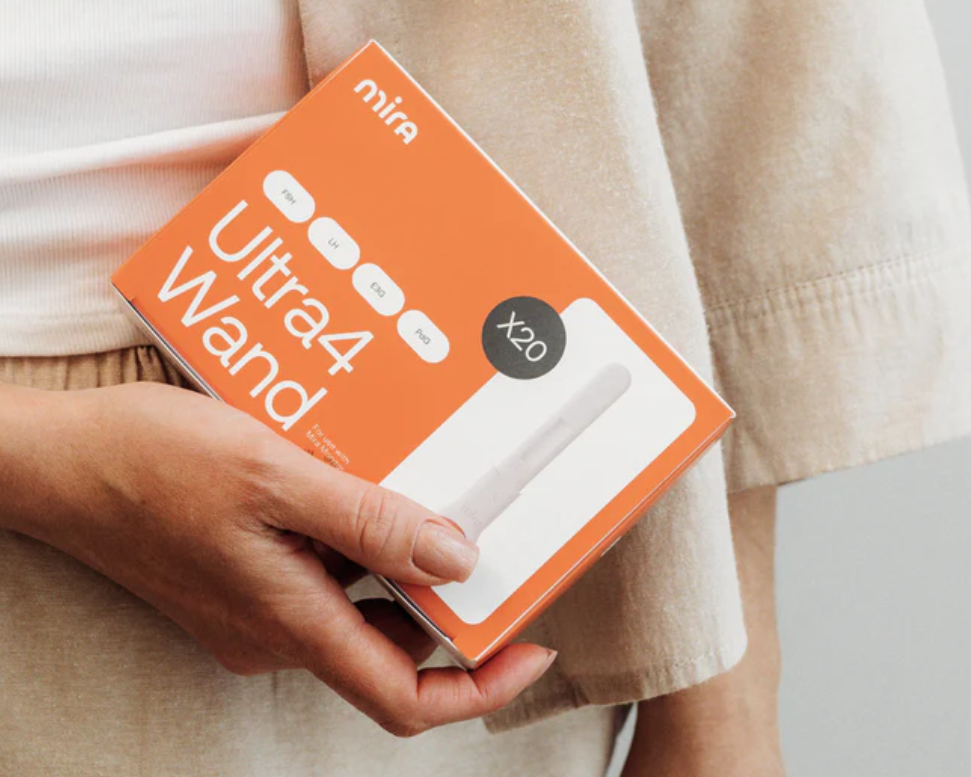
It might be hard to understand fertility, especially when cycles don't always follow the same pattern. Mira Fertility produced Mira Ultra 4 to make that process easier by making hormone tracking something that can be measured and understood.
This guide explains how the system works, how to use it effectively, and how to interpret results without confusion so individuals can make more informed decisions about their cycle and reproductive health.
What Mira Ultra 4 Does Inside Your Body
Mira Fertility focuses on translating hormone activity into data you can actually use. The technique doesn't rely on symptoms or guessing; it actually detects hormonal changes by looking at urine samples.
The process reveals patterns that are usually invisible in traditional tracking methods. Hormone fluctuations shift daily, and without consistent monitoring, these changes often go unnoticed. With Mira Ultra 4, such small changes become clear, which helps people see what their body is doing in real time.
This becomes especially useful for irregular cycles, where ovulation does not follow a predictable timeline. Many people on forums mention frustration with inconsistent results from basic ovulation kits, which often fail to capture early or delayed hormonal shifts.
Hormones Measured by Mira Ultra 4 Wands
The appeal of Mira Ultra 4 wands is that they can track four important hormones in one test. This gives you a better picture of the cycle instead of just one marker.
- LH helps identify ovulation timing.
- E3G signals the start of the fertile window.
- PdG confirms whether ovulation has occurred.
- FSH provides insight into ovarian function and cycle patterns.
This mix provides you with a more complete picture instead of just reading one thing at a time. People who use simpler methods typically don't understand how these hormones work together, which can make it hard to know when to ovulate or when to expect ovulation symptoms.
How an at Home Hormone Test Fits into Fertility Tracking
A traditional approach to fertility tracking often relies on calendar predictions or single hormone strips. These methods assume cycles behave consistently, which is rarely the case for many individuals.
An at-home hormone test like this changes the approach by focusing on real-time biology instead of averages. It lets people keep track of their own cycle instead of comparing it to general timetables.
This becomes particularly relevant for those dealing with conditions like PCOS, postpartum changes, or cycle irregularities. Many people online describe how they discovered unexpected ovulation timing only after switching to more detailed hormone tracking methods.
Daily Testing Routine Explained Simply
The procedure itself is simple, which makes it easier for beginners to learn.
- Dip the wand in a urine sample for about 15 seconds.
- Insert it into the Mira monitor.
- View results in the connected app within minutes.
Consistency naturally matters more than complexity. Testing at the same time every day helps make the hormone pattern apparent over time. Some people test too much at first because they think that additional data would provide them better insights.
But the system usually tells you when you need to test, which keeps you from using Mira test wands too often and keeps the results accurate.
How to Read and Understand Your Results Without Confusion
Interpreting hormone data can feel intimidating at first. Mira Fertility makes this easier by showing hormone trends instead of separate statistics in the app. Rather than focusing on a single reading, the system highlights patterns across the cycle. This approach helps individuals understand not just when ovulation happens, but how the body prepares for it and what follows afterward.
Identifying Fertile Windows
The fertile window is not just one day; it's a short period of time when a woman is most likely to get pregnant. Tracking hormones can help pinpoint this time more accurately.
Before ovulation, E3G levels start to rise, which means the body is getting ready. LH then rises, which means that ovulation is getting closer. If you keep track of both of them, you'll have a better idea of the timeframe than if you only look at LH.
People regularly talk about missing their fertile window on forums because regular tests only look for LH spikes, which might happen quickly or not at all. Tracking more than one hormone lowers that risk a lot.

Tracking Hormone Trends over Time
One of the best things about doing a hormone test at home is that you may see patterns over several cycles.
Over time, individuals begin to notice:
- Consistent delays or early ovulation.
- Hormone imbalances that affect cycle length.
- Changes linked to lifestyle factors such as stress or exercise.
Some individuals found that working out hard or not getting enough sleep messed up their cycle timing. Changing those routines made a big difference, which would have been hard to see without keeping track of things all the time.
Beginner Mistakes That Can Affect Hormone Test Accuracy
Even with advanced tools, small mistakes can affect results. Understanding these early helps avoid confusion and inconsistent data.
- Testing at different times each day can create misleading hormone patterns.
- Using more than one sort of wand in one cycle could make things less consistent.
- Skipping days during important times can make it harder to understand trends.
- Not updating the monitor software can affect compatibility and accuracy.
Another common issue involves expecting immediate clarity within the first few days. Hormone tracking becomes more reliable over time, as patterns build across the cycle.
Some people initially feel overwhelmed by the amount of data. That usually fades once trends become familiar and easier to interpret. The system is designed to improve understanding gradually rather than deliver instant conclusions.
Frequently Asked Questions
How Many Mira Ultra 4 Wands Are Needed per Cycle?
Depending on how long the cycle is and how often they test, most people use between 18 and 22 wands. The software usually tells you how to use it so you don't have to try it too much.
Can Mira Ultra 4 Detect Ovulation Accurately?
The system tracks multiple hormones, which helps confirm ovulation rather than just predict it. This makes things less unpredictable than using only one hormone.
Is Hormone Testing for Women at Home Reliable?
When used consistently, home testing provides valuable insight into hormone patterns. It may not replace clinical testing but offers a practical way to monitor cycles regularly.
Can Beginners Use Mira Test Wands Easily?
The process is simple and guided through the app. Most beginners adapt quickly once they establish a routine.
Does Mira Ultra 4 Work for Irregular Cycles?
It is particularly useful for irregular cycles because it tracks real-time hormone changes rather than relying on fixed predictions.
Understanding hormone patterns takes time, but tools like those developed by Mira Fertility make that process far more accessible and less overwhelming. With consistent use, Mira Ultra 4 helps turn complex hormonal changes into clear, trackable insights that individuals can actually act on.
For those planning to purchase, checking available Mira Fertility Promo Codes can help reduce overall cost, especially since ongoing tracking often requires multiple cycles of testing.
Follow StyleAndStrong for more health insights.